How Does Coffee Get Made?

As movements like farm-to-table dining and natural winemaking find firm footing in the mainstream, it’s never been a more interesting time to dig into the story behind your morning (or afternoon, or, if you’re like us, both) cup of coffee.
After all, if the road from bean to cup didn’t matter quite so much, then there wouldn’t be such a staggering difference between the cappuccino you love to order at your local, independent coffee shop, and the battery acid you get at an airport food court.
Whether you’re looking to open up your own coffee shop or reason with the next customer who complains about the price of a sustainably sourced cup of coffee, we’ve got you covered with a basic guide to coffee production.
Four Steps to Coffee, from Harvest to Retail
Harvest
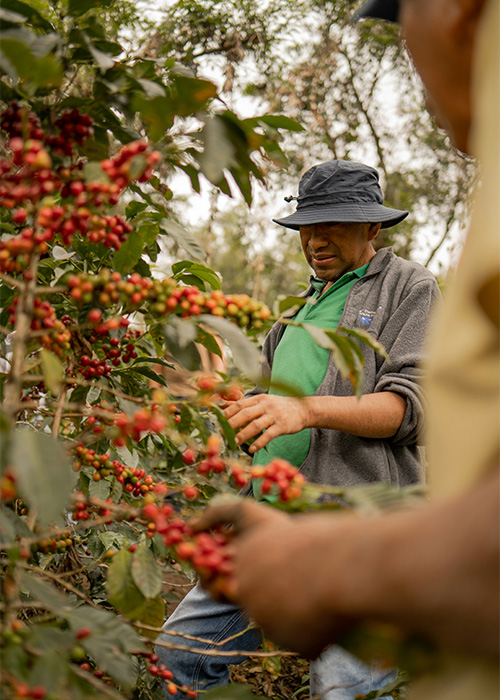
The raw goods — in this case, fruits called coffee cherries, which contain coffee beans — have a huge impact on what ends up in your cup. Most farmers harvest them just once a year; in the Northern Hemisphere, which includes Mexico, Ethiopia, and Central America, producers typically harvest between October and March. In regions like Brazil and Peru, which are located in the Southern Hemisphere, harvest happens from April through September. Like with wine, hand-harvested fruit is considered to be better quality (and more expensive) than fruit that is mechanically harvested.
But even getting to the harvest point takes patience.
“If you plant a coffee tree today, it might start bearing fruit in three years or so. It's going to take about five years for that tree to reach peak productivity,” says Samuel Klein, Green Coffee Buyer at Brooklyn-based Partners Coffee.
“Coffee trees are susceptible to hot temperatures, cold temperatures, and disease, so if anything happens—two hours of frost exposure, or an outbreak of coffee leaf rust—it might take you five years to get that productivity back,” he adds.
“A big misconception is that a roaster has any input into how producers do their work. Or that we somehow control the final outcome of a coffee,” says Paul Schlader, co-founder of New York City-based roaster and retailer, Birch Coffee. “As roaster retailers, some of us have the good fortune of going to the origin to build relationships and purchase coffee. These relationships take years to foster, and are based on mutual trust and respect; they aren't transactional.”
For example: Over the past four years, the Partners team has worked with Cultivar Coffees as their sourcing and export partner in Peru.
“We tasted samples from the recent Peru harvest to identify regions and qualities we liked. Nearly a year later, when the next harvest arrived, we tasted the same sample set and discovered that we liked coffees from the same farms and communities,” explains Klein. “So it took about a year of planning, but now we're confident that our relationship with Cultivar is a good, long-term fit, supplying us with coffees we didn't have available through existing partners at origin.”
Processing
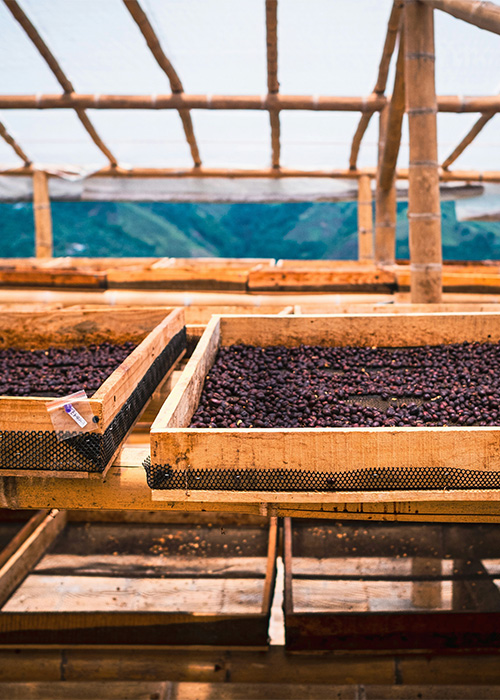
After harvesting, farmers remove the fleshy part of the coffee cherry to reveal (you guessed it) the bean. This removal happens in three main ways:
- Washed: “Over the years, I've heard people say they believed the coffee was scrubbed clean,” says Schlader. In reality, this process involves removing the skin and coffee cherry pulp from the fruit immediately after harvest; the beans are fermented in water tanks for up to 48 hours before being washed and dried. This process makes for a cleaner, brighter, more acidic cup of coffee.
- Natural (also known as Dry Processing): In this method, coffee cherries are spread on raised beds and sun-dried for anywhere between three to six weeks. The fruit dries around the bean, imparting fruity, wine-like flavors. Common in Ethiopia and Brazil.
- Honey: The skin is removed, but some or all of the sticky flesh (the so-called honey) is left on during drying. This approach makes for a sweeter, more complex cup than washed coffee.
Once processed, the beans (known as “green” beans, much like young nuts are referred to as “green” walnuts) are shipped to a roasting facility.
Roasting
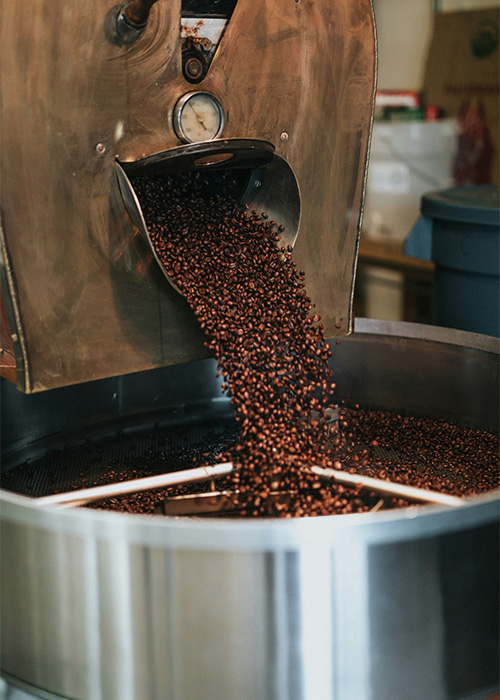
Of all the steps that go into coffee production, roasting is the one that most drinkers are familiar with, because of how it gets used to communicate taste preference.
“While roasting plays a major role, the quality and characteristics of the green coffee, including variety, terroir, and processing, are what truly shape the foundation of flavor,” says Josh Moarbes, founder of Milkweed Studio in New York City. To explain roast, he likes to use the analogy of cooking a steak.
“The rarer you go, the more important the quality becomes,” he says. “Lighter roasts tend to highlight the inherent qualities of the coffee, which also makes them a bit less forgiving to work with.”
As a general rule of thumb, light roasts bring out more acidity in a coffee, whereas medium roasting brings out caramel and milk chocolate notes. “A dark roast is used for a coffee that perhaps could be older, so defects may be more present, or we're roasting for individuals who prefer a much heavier taste in their coffee,” explains Schlader.
Coffee releases CO2 gas for the first few days after the roasting process, which is why most roasters will rest beans for up to four days before packaging them up for retail and café use. Valve-sealed bags let some of that CO2 out, but keep oxygen (which will quickly degrade the freshness of the beans) out.
Retail
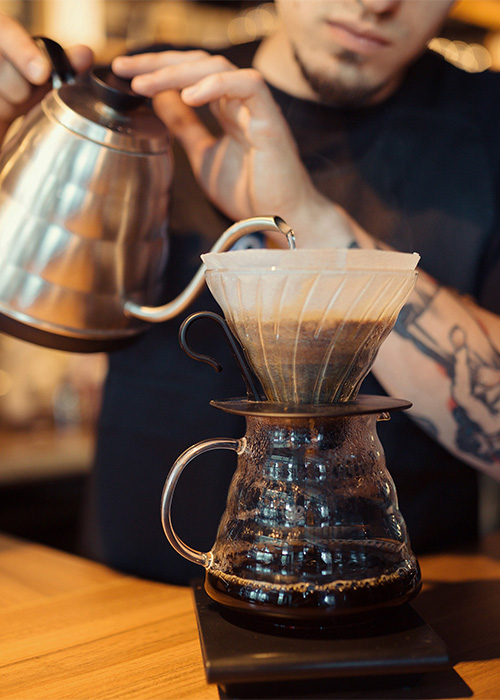
From cafés to grocery stores to specialty retailers, this step is also the final hurdle before a freshly brewed cup of coffee.
Many retailers prefer to sell beans whole, while others sell both ground and whole beans. Grind size impacts how quickly water extracts flavors (and other compounds) from the coffee. It’s why making espresso with grounds that are too coarse will make for an under-extracted or sour, watery drink. But, making espresso with grounds that are too fine means the final cup will taste chalky and bitter.
In general, it’s best to consume coffee within two weeks to a month after the roast date (which should be on the packaging — and if it isn’t, consider that a huge red flag), after which you risk getting stale coffee.
As both a roaster and café operator, we see how narrow the margin for error is across every step of the process,” says Moarbes. “From sourcing to roasting to brewing, each stage requires care and precision.”