
What Makes a Coffee Shop Loyalty Program Actually Work

Every independent coffee shop has tried some version of a loyalty program. A stamp card taped by the register. A punch card that lives in someone's wallet until it's lost. A digital app that a customer downloads once and never opens again. Most of these programs share the same problem: they reward transactions instead of building relationships.
The ideal loyalty program does something different. It gives customers a real reason to come back, and it gives the shop real data about who's walking through the door. Here's what that looks like in practice.
Start with a reward structure people actually want
The classic "buy 9, get the 10th free" model isn't broken, but it's not inspiring either. A free drink after nine visits asks a lot of patience for a reward that barely registers. The stronger approach is tiered and immediate:
- Early wins. A small reward after the first or second visit (a free size upgrade, a discount on a pastry) tells a new customer the program is worth paying attention to.
- Meaningful mid-tier rewards. Points toward a free drink, a merch item, or an exclusive seasonal release keep the momentum going.
- A reason to stay loyal long-term. VIP perks like early access to new menu items, birthday rewards, or invites to shop events turn regulars into advocates.
The goal isn't to give away margin. It's to make the path to a reward feel short enough to matter and valuable enough to talk about.
Make it effortless to join and effortless to use
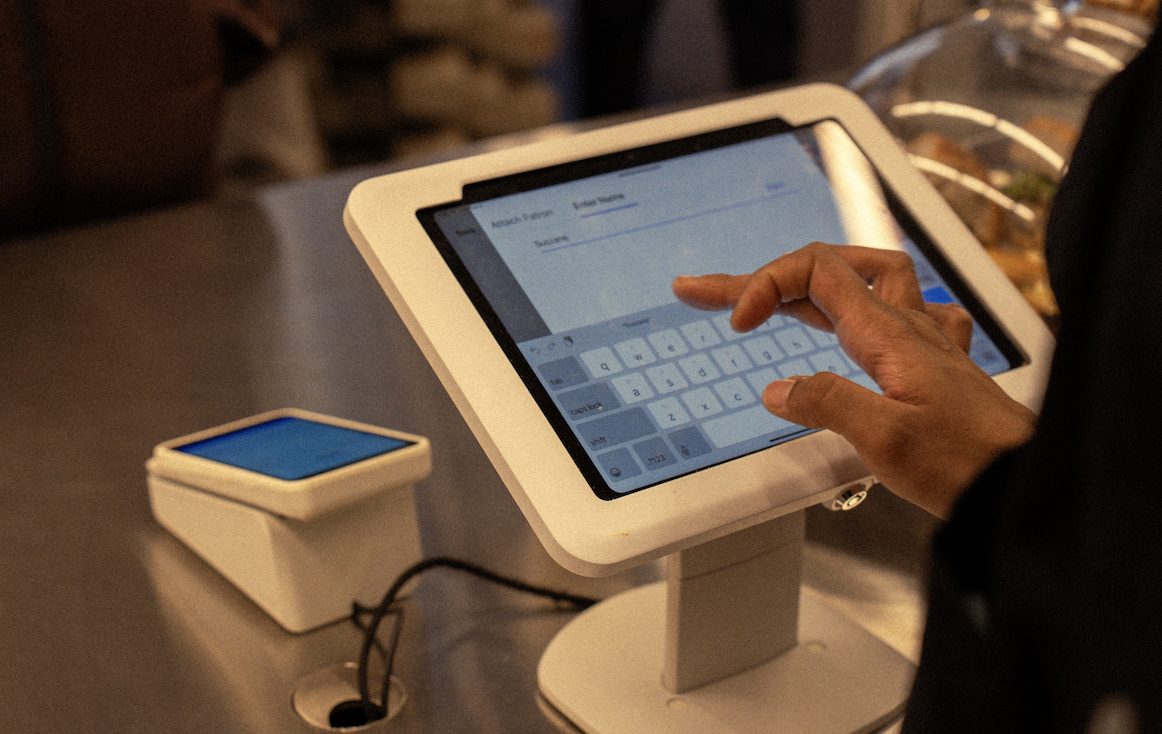
The best systems attach loyalty directly to something the customer is already doing: paying with a card, entering a phone number, or scanning a QR code at checkout. Every point of friction is a point of drop-off. If joining takes more than a few seconds at the counter, most customers won't bother.
Use the data to actually understand your customers
A loyalty program isn't just a rewards mechanism. It's one of the best sources of first-party data a coffee shop has. Done right, it tells a shop:
- Which customers visit weekly versus occasionally
- What times of day different customer segments show up
- Which menu items keep people coming back
- Who's at risk of churning before they actually stop visiting
That last point matters more than most shops realize. A customer who visited every week for three months and hasn't shown up in three weeks is a warning sign, not a coincidence. A well-built program flags that shift so the shop can respond, whether that's a "we miss you" offer or a personal note from staff.
Personalize instead of blasting
Generic promotions sent to every customer on the list get ignored. The stronger move is segmentation: a offer built around what a specific customer actually orders and how often they show up. A customer who always orders a cold brew doesn't need a discount on hot lattes. A customer who visits every morning during the week doesn't need convincing to come in on weekdays; they need a reason to stop by on a Saturday too.
This is where loyalty programs and marketing automation should work together. The reward structure builds the habit. The messaging around it should feel like it's coming from someone who actually knows the customer, not a mail merge.
Keep it visible to staff, not just customers
A loyalty program that only exists in a customer's phone is only half built. Staff should be able to see a customer's status at the register: how close they are to a reward, whether they're a longtime regular, whether it's their birthday week. That visibility turns a transactional interaction into a personal one, and it's often the difference between a program that feels automated and one that feels like genuine hospitality.
Measure what actually matters
Signups are the easiest metric to track and the least useful one on their own. The metrics that actually reflect program health are:
- Redemption rate. Are members actually using their rewards, or are points sitting unused?
- Repeat visit frequency. Is the average loyalty member visiting more often than a non-member?
- Average order value among members. Loyalty members should be spending more per visit over time, not just visiting more.
- Retention over 90 days. A program is working if it's keeping customers active well past their first few visits.
If these numbers aren't improving, the program needs a redesign, not just a new sign-up push.
The bottom line
The ideal coffee shop loyalty program isn't the one with the most complicated point system. It's the one that makes joining effortless, makes rewards feel worth earning, and gives the shop enough visibility into customer behavior to build real relationships instead of one-off transactions. Get those three things right, and the program pays for itself in the customers who keep coming back. Read about how Dripos can help you build a loyalty program here.