Text Message Marketing for Coffee Shops: Best Practices For Owners Who Want To Actually Get Results

Text message marketing is one of the highest-performing channels available to independent coffee shop owners, and it's chronically underused. Open rates for SMS hover around 98%. Most texts get read within three minutes of being received. For a business built on daily habits, morning routines, and local loyalty, that kind of reach is genuinely hard to replicate.
But reach only matters if you're sending something worth reading. Here's how to build a text marketing program that grows your customer base instead of annoying it.
Start with a clean list
The foundation of good SMS marketing is a list of people who actually want to hear from you. That means every subscriber has to opt in explicitly. Not implied consent, not a pre-checked box. A real opt-in.
The most effective ways to grow your list in a coffee shop:
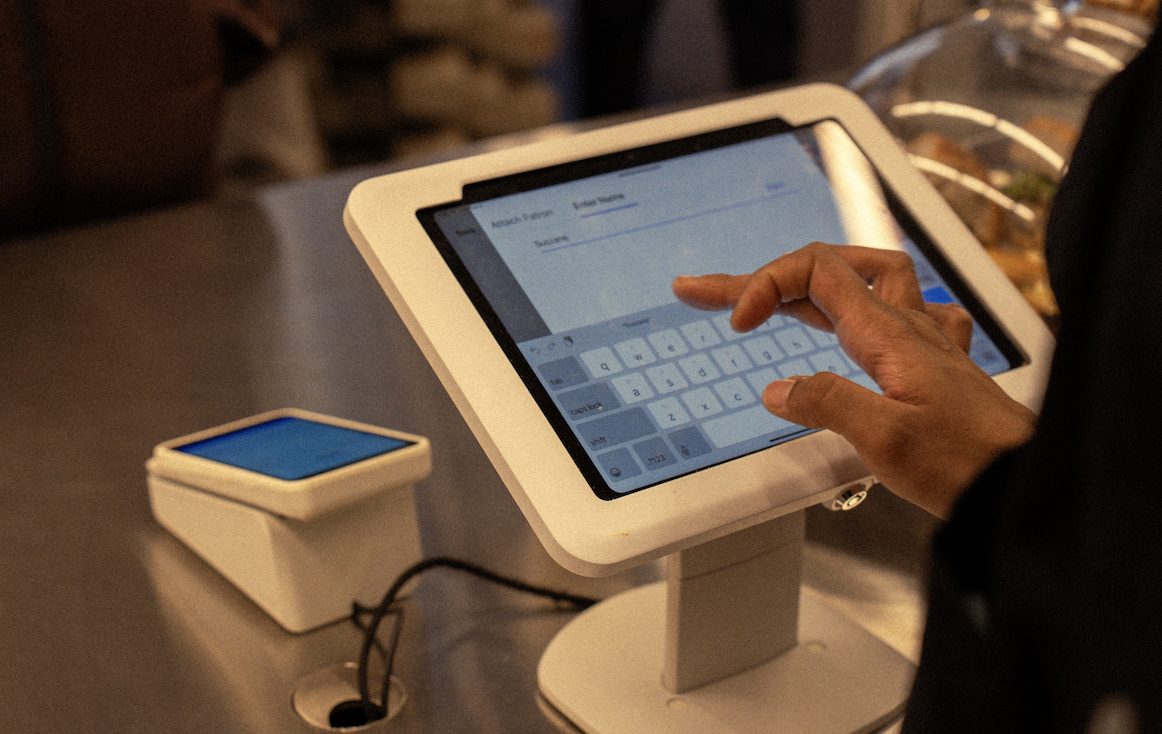
- A sign-up prompt at the register during checkout ("Text JOIN to [number] to get a free drink on your next visit")
- A QR code on your tables or cups that routes to a short opt-in form
- A prompt inside your loyalty app, if you use one
- A short callout in your email newsletter for customers who prefer texts
Don't bulk-import old email lists. Don't add phone numbers from receipts without consent. Beyond being bad practice, it's a legal liability under the Telephone Consumer Protection Act (TCPA). Keep your list clean and your opt-in process clear.
Be useful, not just promotional
The biggest reason people opt out of SMS marketing is that it feels like a coupon blast. If every message you send is a discount or a sales pitch, subscribers will start treating your texts like junk mail.
Think about what would actually be valuable to a regular customer. That could be:
- An early heads-up that a limited seasonal drink drops tomorrow
- A quick note that you're closing early for a staff event
- A reminder that your loyalty reward is about to expire
- A new menu item announcement before it shows up on Instagram
- A thank-you message after a busy weekend, no ask attached
Mix utility with promotion. A good rule of thumb: for every two promotional texts, send one that's purely informational or genuinely delightful. The balance builds trust, and trust is what keeps subscribers around.
Keep your messages short and specific
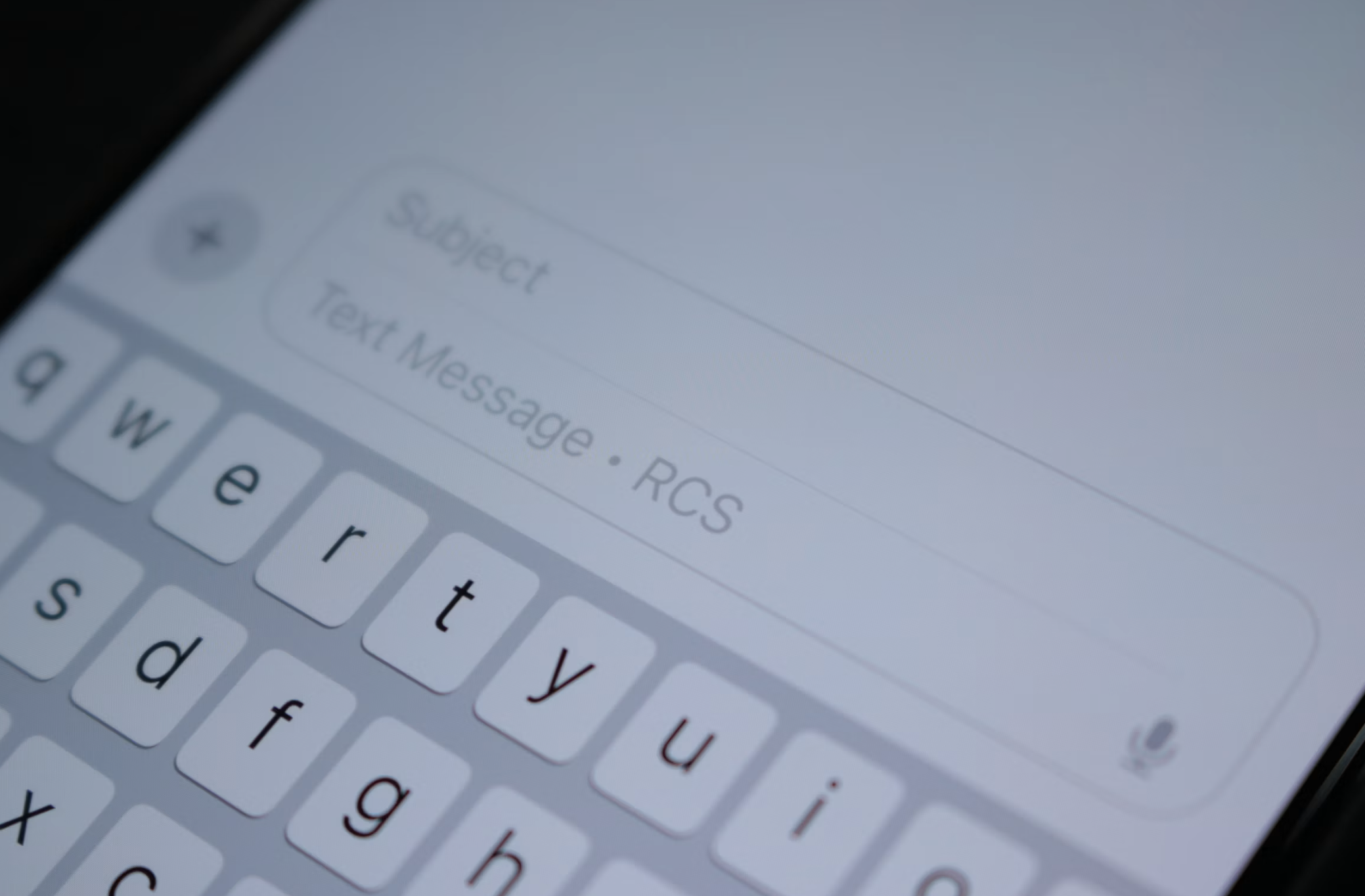
SMS copy is not the place for long explanations. You have 160 characters before a text splits into two messages. Even if your platform supports longer messages, shorter is almost always better.
A good SMS message has:
- One clear point
- One action, if there is one
- A specific detail (a name, a date, a number) rather than vague language
Compare these two:
"Hey there! We just want to let you know we have some exciting new specials this week. Come check them out and see what's new at the shop."
vs.
"Brown butter latte is back. Today only. Come in before 2pm."
The second one is six times shorter and three times more actionable. Specificity is what drives foot traffic.
Get timing right
Timing is one of the most overlooked levers in SMS marketing. A well-written message sent at the wrong time will underperform every time.
For coffee shops, the sweet spot is typically:
- Tuesday through Thursday, 7:30 to 9:30am for morning drive messages
- Sunday evening for weekend event previews or Monday specials
- The afternoon before a holiday or a local event that will bring foot traffic nearby
Avoid late nights and very early mornings. Avoid Fridays if your message isn't directly tied to a Friday offer. And pay attention to your own traffic patterns. If your slowest hour is 2pm on Wednesdays, that's worth a targeted offer, sent at 1:30pm.
Most SMS platforms let you schedule messages in advance. Build a monthly calendar so you're sending intentionally, not just when you happen to think of it.
Nail the opt-out experience
Make it easy to unsubscribe. Every message should include a way to opt out, and when someone does, honor it immediately. This isn't just a legal requirement. It's good business. A subscriber who opted out gracefully is more likely to re-subscribe later than one who felt trapped.
The standard is "Reply STOP to unsubscribe." Keep it clean, make it visible, and never send a follow-up message after someone opts out.
Measure what matters
Most SMS platforms will give you delivery rates, opt-out rates, and click-through rates if you include links. The metrics worth watching:
- Opt-out rate per message: a spike here tells you a message missed the mark
- Click-through rate on links: tells you whether your offer was compelling
- Revenue tied to SMS campaigns: if your POS or loyalty program can track this, it's the most direct measure of ROI
You don't need a sophisticated attribution model. Even simple tracking, like noting how many people mention a text offer when they come in, gives you directional data to improve over time.
A note on frequency
There's no universal right answer, but most independent coffee shops perform best sending two to four texts per month. Enough to stay top of mind, not enough to feel like noise. If you're launching something big, you might send more in a given week. But outside of a specific campaign window, less is usually more.
The clearest signal you're sending too often: your opt-out rate starts climbing. When that happens, pull back and reassess what you're sending, not just how often.
Text marketing works best when it feels like a message from someone who knows you, not a broadcast from a brand. Keep your list earned, your messages specific, and your cadence respectful. The shops that do it well tend to have customers who actually look forward to hearing from them. Check out how Dripos can support text message marketing here.