How To Build a Coffee Shop Menu That Actually Sells

Your menu is doing more work than you think. It's not just a list of what you make. It's how first-time customers decide whether to stay or go, how your baristas communicate with guests at speed, and how you protect your margins on every single ticket.
This guide walks through how to build a coffee shop menu from scratch or how to audit and improve the one you have.
Start with your concept, not your recipes
Before you add a single drink, get clear on what your shop is about. Your menu should reflect your identity. A neighborhood espresso bar and a specialty pour-over focused cafe operate differently, price differently, and attract different customers. Neither is wrong. But both need menus built around their specific model.
Ask yourself:
- Who is my core customer, and what are they coming in for?
- What's my throughput model — fast counter service, leisurely sit-down, or something in between?
- What equipment do I actually have, and what can my team consistently execute at volume?
That last one is more important than people admit. It's easy to build a menu in a planning doc that looks beautiful on paper and falls apart during a Saturday morning rush. Every item on your menu is a commitment to execute it well, every time, without slowing down the line.
Size your menu intentionally
There's a common instinct to add more — more options, more seasonal specials, more customizations. Resist it.
A longer menu creates more decisions for your customer, which sounds like a good thing but often backfires. When people are overwhelmed with options, they take longer to order, feel less confident in their choice, and are harder to upsell. This is sometimes called the paradox of choice, and it shows up constantly in food and beverage.
A focused menu also means:
- Less waste from ingredients that only appear in one item
- Easier training for new baristas
- More consistency across shifts
- Faster ticket times
A good starting point for an espresso-based cafe: 8 to 12 core drinks, a small selection of non-espresso options (drip, cold brew, tea), a few food items, and a rotating seasonal special or two. That's it. You can always add later. It's much harder to cut once customers are attached to something.
Build around your ingredient matrix
Every menu item should pull from a shared pool of ingredients. This is how you control food cost and reduce spoilage without making your menu feel repetitive.
Map it out: start with your base syrups, milks, and add-ons. Then build drinks that use those same components in different combinations. A lavender syrup, for example, can appear in a latte, a lemonade, and a sparkling water — three different menu categories, one shared ingredient.
This approach also makes pricing more predictable. You know what each ingredient costs per ounce or per pump, so you can run the math on contribution margins for every item before it goes on the board.
Common mistake: building a seasonal item around a specialty ingredient you're sourcing from one supplier at a high cost without running the margin first. It might be your most Instagrammed drink and still lose you money at scale.
Price for margin, not for perception
Pricing is where a lot of independent operators leave money on the table. The instinct is to look at what the shop down the street charges and match it. But you don't know their costs, their lease, their labor model, or their volume. Pricing off competitors without knowing your own numbers is a guess.
Build pricing from the bottom up:
- Calculate your cost of goods sold (COGS) for each item. Include every ingredient, the packaging, and a small waste allowance.
- Determine your target food cost percentage. For beverages, most cafes aim for 25 to 35 percent food cost. Meaning if a latte costs $1.20 to make, you'd price it between $3.50 and $4.80 to hit that range.
- Factor in labor contribution. High-labor items (multi-step, long prep) need higher margins to justify the ticket time.
- Check your final number against market rates — not to match them, but to make sure you're not wildly out of range for your neighborhood.
If your prices need to go up to be sustainable, raise them. Be straightforward about it. Most customers understand that quality costs money. What they don't respond well to is feeling like they're getting less than they paid for.
Design your menu board for decision-making
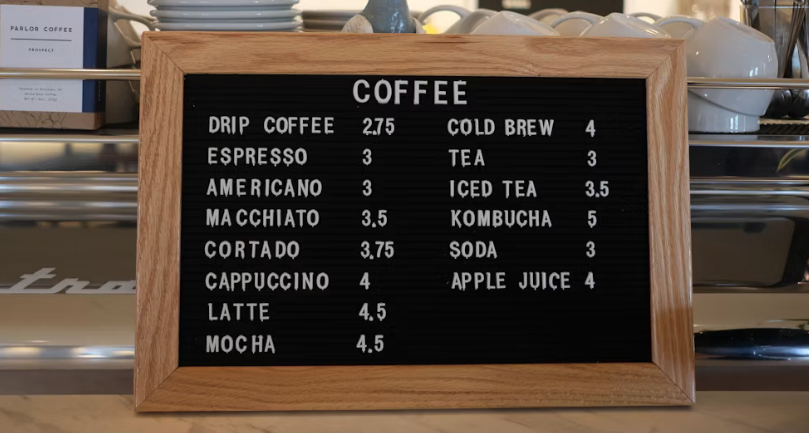
How you display your menu matters almost as much as what's on it. Your menu board is a piece of your customer experience, and it needs to do a job: help someone make a confident decision in under 30 seconds.
A few principles:
Organize by category, not by base ingredient. Customers don't think in terms of "espresso-based." They think in terms of hot, iced, or what they usually get. Group drinks in ways that mirror how people order.
Lead with your best sellers. Put your most popular and most profitable items where the eye lands first — center and upper third of the board.
Keep descriptions short. "Honey oat latte — espresso, oat milk, house honey syrup" is better than a paragraph of flavor notes.
Don't list every possible modification. If you offer oat milk, customers will ask. You don't need to itemize every milk alternative on the board — it adds visual noise and slows decision-making.
Be consistent with sizing names. If you call it a 12 oz, call it a 12 oz everywhere. "Small, medium, large" works. Inventing custom size names adds unnecessary friction.
Plan your seasonal rotation
Seasonal specials are a genuine driver of return visits and social sharing. A well-timed seasonal can create urgency ("get it before it's gone"), drive word of mouth, and let you test new ingredients before committing to a permanent menu slot.
The key is to plan them far enough in advance to do them well. A rushed seasonal item that's inconsistent or undersupported by staff training is worse than no seasonal at all.
Build a simple seasonal calendar: four to six specials per year, aligned with actual seasonal ingredient availability and customer behavior. A cold, caffeinated drink launching in February doesn't have the same pull as the same drink in May.
Keep detailed notes on each seasonal as you run it: sales volume, waste, customer feedback, and margin. That data tells you whether to bring it back next year, tweak it, or retire it.
Think about your non-coffee options
Not everyone in a group orders coffee. If you're a destination for someone's work meeting, a catch-up with a friend, or a first date, you need options for non-coffee drinkers or you risk losing that table entirely.
This doesn't mean you need an elaborate tea program or a full juice menu. A few solid options go a long way:
- A high-quality loose leaf or bagged tea selection (3 to 5 options)
- A sparkling or still water option
- One or two non-coffee drinks that fit your identity (a matcha, a chai, a house lemonade)
- Hot chocolate or a steamer for the occasional non-caffeinated need
These items often have strong margins because expectations are lower and ingredient costs are minimal. They also make your shop more inclusive, which matters for community-driven independents.
Build a food program that supports, not competes
A food menu should complement your drinks and give people a reason to stay a little longer. It doesn't need to be elaborate — and for most independents, it shouldn't be. A complex food program adds labor, equipment, storage, and a whole separate set of food cost math.
Start simple:
- Pastries sourced from a local bakery (lower labor, good margins, great story)
- A small selection of grab-and-go items (energy bars, a yogurt parfait, something savory)
- One or two house-made items if you have the capacity and it fits your brand
The goal is a food program your baristas can run without slowing down the espresso bar. If filling a food order is pulling someone off bar for more than 60 seconds during peak hours, that item is costing you more than it's making.
Keep your menu updated and data-informed
Once your menu is live, the work isn't done. A menu that never changes becomes invisible to regulars, and items that aren't selling still cost you money in ingredient inventory.
Run a menu analysis at least quarterly:
- Identify your top 20 percent of items by volume and by margin
- Flag any item that's selling fewer than a certain number of units per week
- Evaluate whether low sellers are worth keeping for customer satisfaction or should be cut
Your POS data is the most honest feedback you'll get. Items that look great on paper but underperform in real ticket data need to be re-evaluated, not just defended.
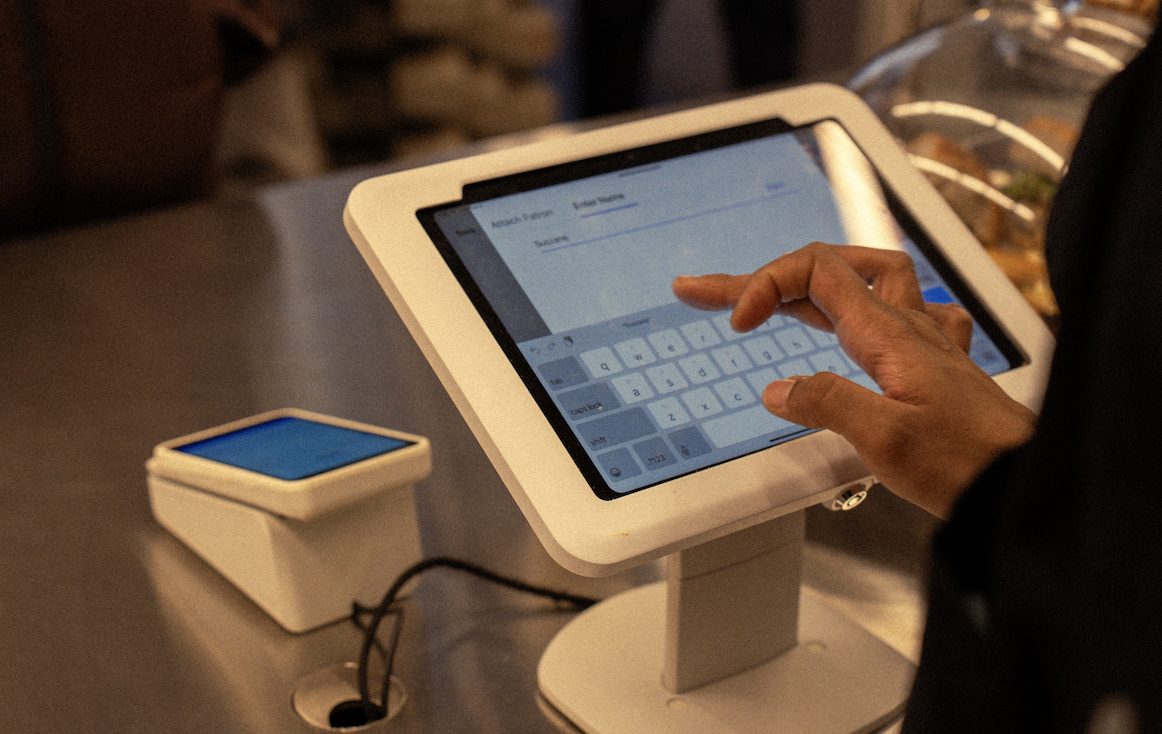
If you're not already pulling menu performance reports from your POS, that's a good place to start. A coffee shop-specific system will break down item-level sales, modifier trends, and time-of-day patterns in ways that generic restaurant software often doesn't.
A menu is a living document
The best coffee shop menus aren't built once. They evolve with the business, the season, the team, and the customer. Build something solid, price it correctly, train your team to sell it well, and stay close to the data.
The shops that get this right don't just run smoother — they build regulars who know exactly what they're coming in for, and they keep finding new reasons to come back.