Dripos Shop Sustainably Spotlight: Matcha Verde Café

Despite centuries of history as a key ritual in Japanese culture, the art of drinking and serving matcha has exploded in popularity across the United States in recent years.
It’s hard to pinpoint exactly how and why: Maybe it’s because younger generations are more interested in lower-caffeine alternatives to daily rituals like making a cup of coffee. Or, maybe it’s just that none of us can avoid the celebrity collab lattes that seem to pop up at cafés on a near-monthly basis. Or, perhaps it’s just that bright green is eye-catching enough to make most of us pause while scrolling our social media feeds.
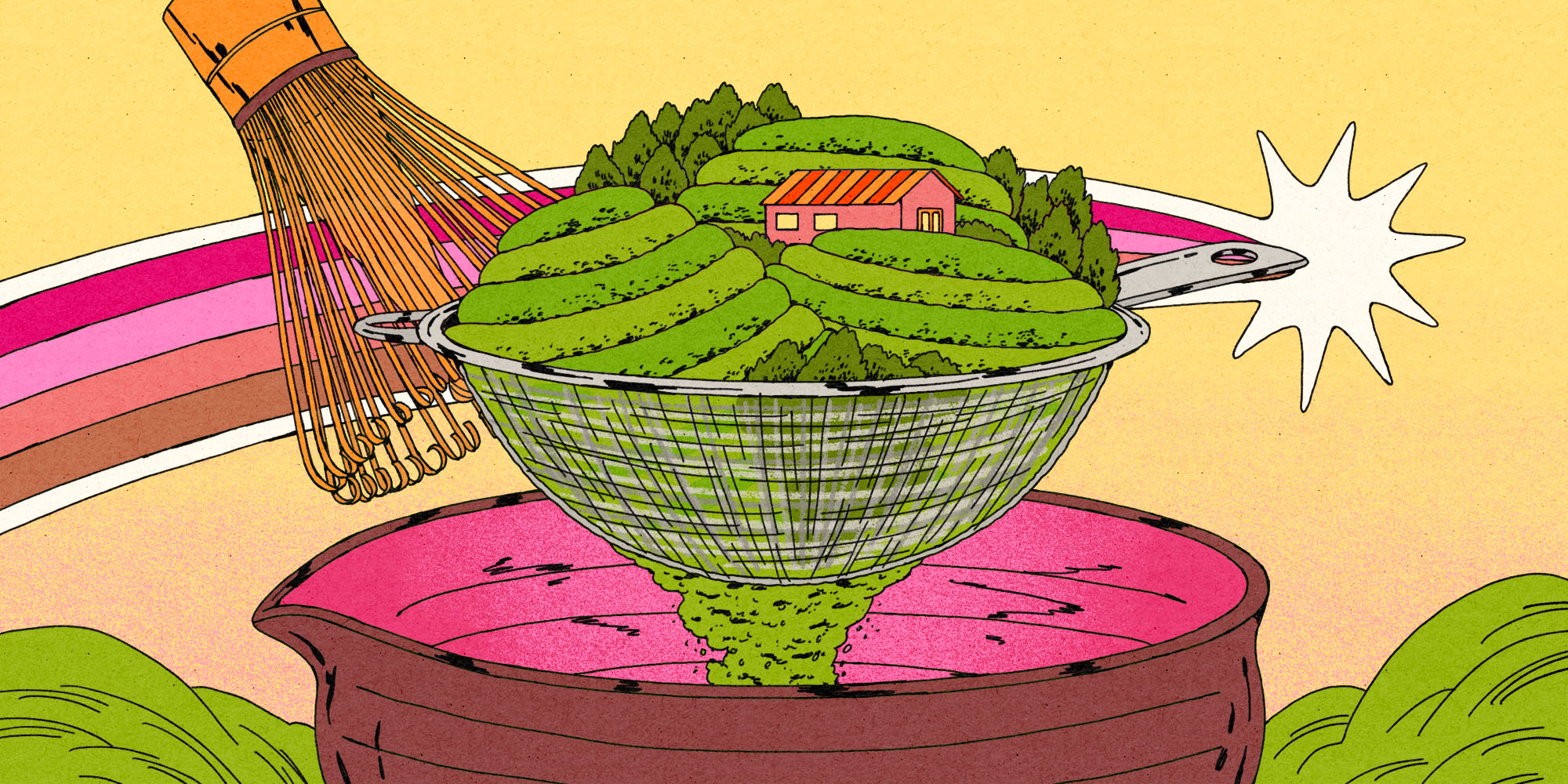
Regardless, it’s clear that matcha mania is here to stay. Like coffee, not all matcha is made equal — sourcing and transparent milling (instead of roasting) practices matter just as much from a sustainability perspective, and it’s up to drinkers to ask key questions about.
As part of our Shop Sustainability Spotlights, we asked Lorena Morfin, founder of Matcha Verde Café in Yakima, Washington, to share how her team makes sustainability a priority when supplying guests with their daily matcha fix.
Why is sourcing matcha sustainably a priority for you?
We see matcha as much more than just a drink. It’s part of Japanese cultural tradition and an agricultural process that depends heavily on the environment and skilled labor from Japan, while honoring their tradition.
By choosing sustainable sources, we’re supporting farmers, protecting the land on which matcha has been grown for decades, and ensuring that future generations can continue to enjoy high-quality tea. This aligns with our mission to serve products that are better for both people and the planet.
We focus on a few key areas, like ethical labor practices and fair treatment of farmers, and environmentally responsible farming methods (like minimizing pesticides and preserving soil health). We also pay attention to supporting producers who value tradition and long-term sustainability over mass production. Lastly, we use minimal and mindful packaging from suppliers.
Where do you source your matcha from?
We source our matcha from trusted suppliers who work directly with farms in Japan, primarily located in regions known for high-quality production like Uji and Shizuoka. We prioritize partners who are transparent about their supply chain, from cultivation to processing.
Our vetting process includes reviewing farming practices, ensuring the matcha is shade-grown and stone-ground, and confirming there are no unnecessary additives. We also look for consistency in quality, vibrant color, and freshness, and we build relationships with suppliers who can clearly communicate their sourcing practices and standards.
What advice would you have for other café owners looking to source and serve matcha more sustainably?
Start by asking questions! Don’t be afraid to dig into where your matcha is coming from. Work with suppliers who are transparent and willing to educate you and build a trusting relationship with the supplier/farmer. If you can visit your supplier’s farm, you won't regret it.
Also, be sure to focus on quality over cost. Sustainable matcha may come at a higher price point, but customers can taste the difference, and it builds long-term trust. Lastly, share that story with your customers—people appreciate knowing where their products come from.